
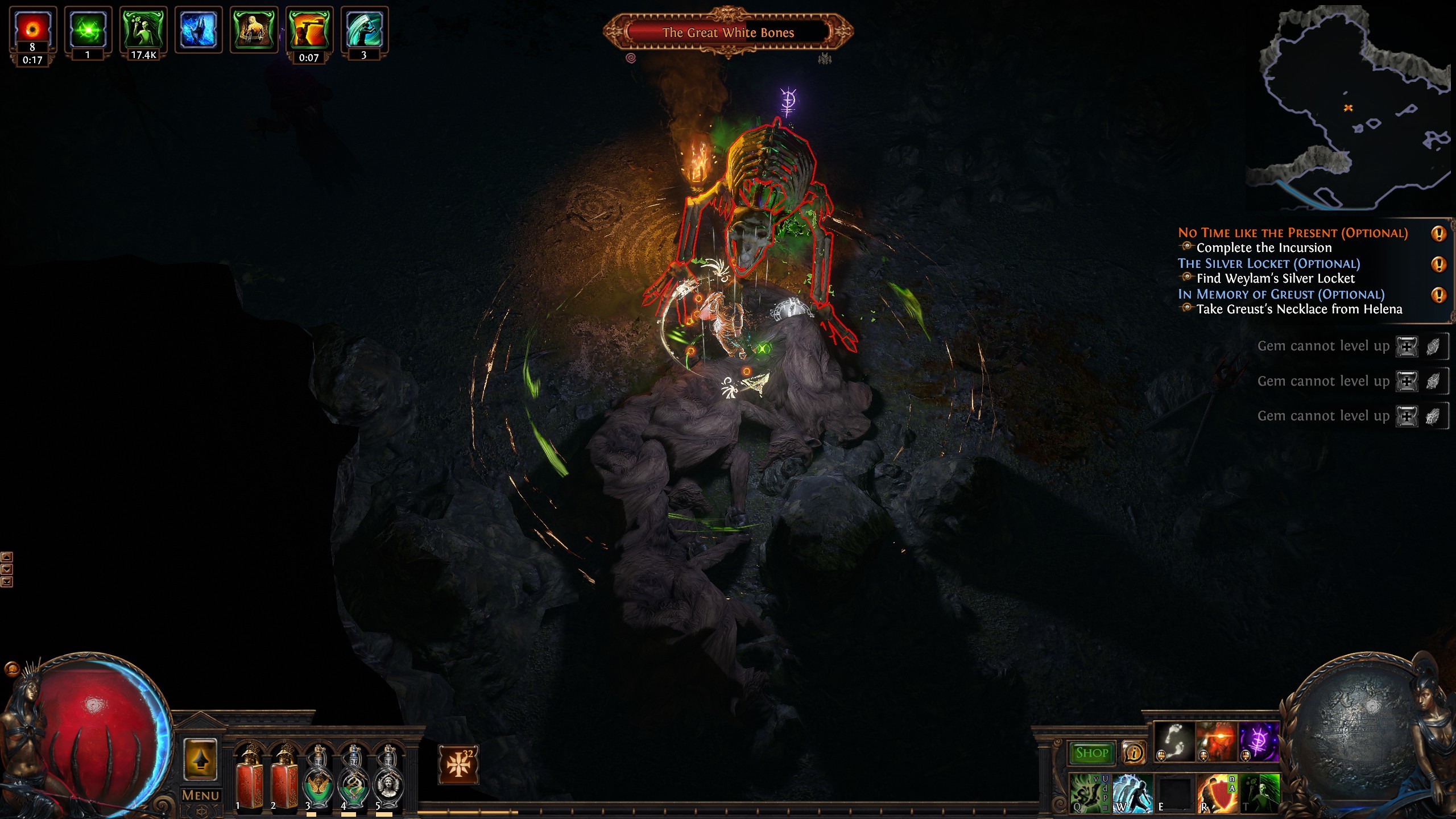
In Path of Exile, the seasonal (or “league”) model serves as a cornerstone of how the game stays dynamic, engaging, and relevant.
Instead of relying solely on one static world, each few months players are given a fresh slate—a new economy, new mechanics, new opportunities—and this constant cycle is what keeps the community returning again and again. In this article, we’ll delve into why seasons matter, how they reshape gameplay, and why they are one of the most effective design tools in any live service ARPG.
What a Season Really Means
In Path of Exile, a “season” effectively means a new temporary league. When a season begins, many players start fresh characters, fresh economy, and engage with new mechanics that weren’t in the previous season. This reset gives everyone an even playing field and a chance to rediscover familiar systems from scratch.
But it’s not just a restart. Seasons often bring brand‑new content—new mechanics, new items, new balance changes—that then ripple into the game’s long‑term state. The excitement of the new season acts as a renewal: returning players, veterans, and newcomers all have a reason to log in, explore what’s changed, and engage with the game under new conditions.
How Seasons Introduce Fresh Mechanics & Systems
One of the primary reasons seasons keep the game feeling new is because they deliver novel mechanics. Whether it’s a new map type, crafting system, monster modifier, or item category, the seasonal change introduces gameplay shifts. These new systems require players to rethink their builds, strategies, and even trade approaches.
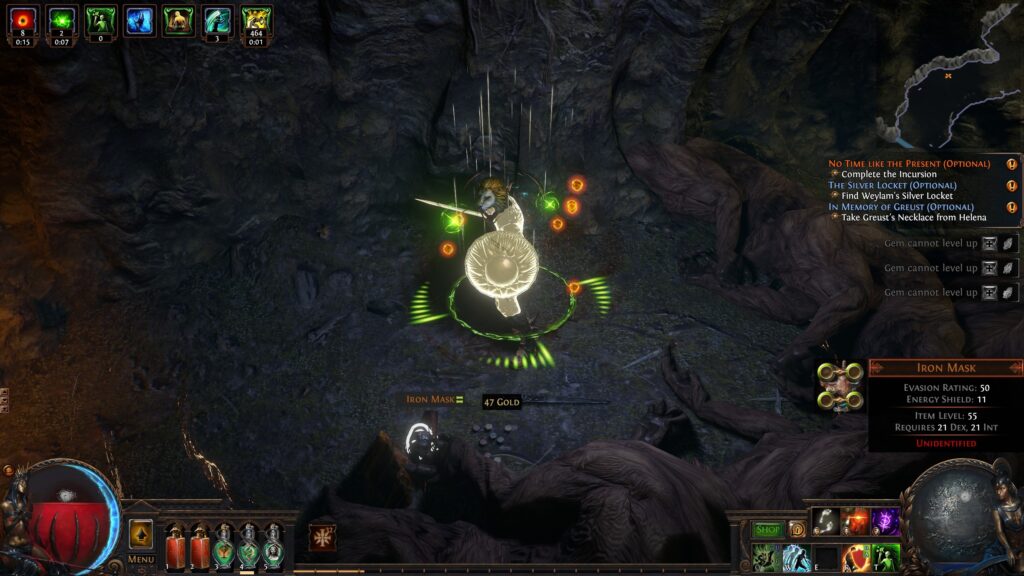
Because the new mechanics often intertwine with the core systems—crafting, map progression, endgame—players get to explore how the novelty interacts with their build or playstyle. It’s not just a new boss or new zone; it’s a meaningful evolution of how you play.
Resetting the Economy and Player Progress
Seasons provide an economic reset which is important for accessibility and engagement. In a game like Path of Exile where items, crafting, and trade matter deeply, entrenched economies can make new players feel overwhelmed. A season gives everyone a chance to climb again, find value, and compete.
For returning players, a reset means they can chase fresh goals: early‑leaderboard pushes, first clears of new content, early rare drops, etc. For casual players, it presents a chance to jump in with reduced legacy baggage and feel like they’re part of the current wave rather than catching up long after.
Encouraging Experimentation and Build Variety
When a new season rolls around, many players intentionally start new characters or try new builds. The fresh environment encourages experimentation because even tried‑and‑true meta builds might need adjustment to accommodate new mechanics. This shift unlocks build diversity and renews interest.
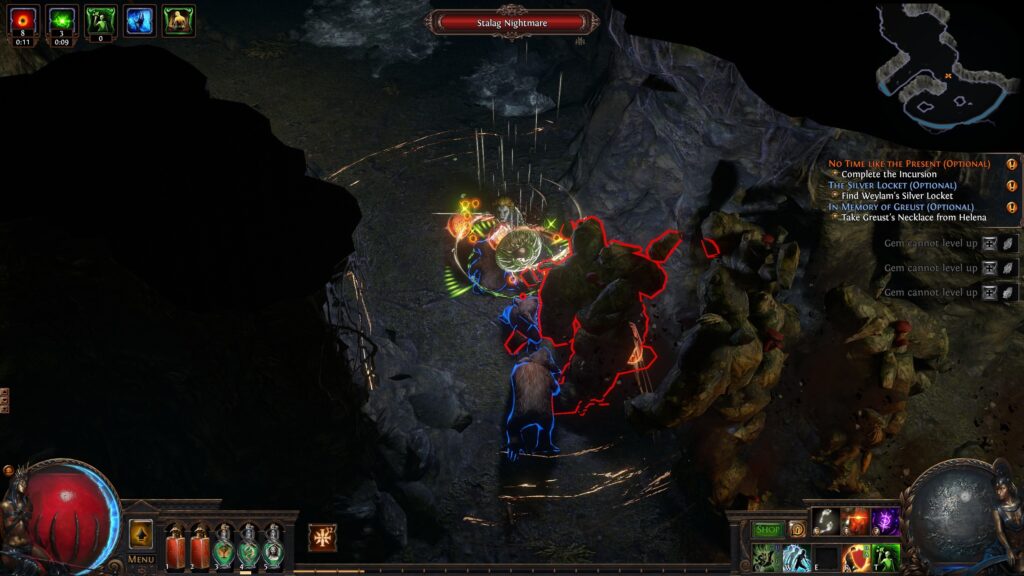
Because the playing field is reset, you don’t feel penalised for picking an off‑meta build—everybody is learning the season’s rules together. That sense of collective discovery fosters creativity and generates buzz within the community as players share what they find and optimise as the season progresses.
The Social and Competitive Push of Seasons
Seasons also generate social momentum. Guilds, friends, and communities often coordinate to begin the season together, race to achievements, and compare progress. The “fresh league” mood creates a shared journey. Whether you’re a hardcore endgame raider or a casual explorer, the season gives you a story arc for your character again.
From a competitive standpoint, early meta discoveries, leaderboard races, first clears of new bosses, and novelty items drive engagement. The sense of “first wave” in a season is important for many players—it’s a window of opportunity to stand out before the meta solidifies.
Why Seasons Are Sustainable Long Term
Unlike one‑off expansions that eventually plateau in novelty, the seasonal cycle ensures constant return points for the game and its audience. Each season serves as both an entry point for new players and a renewal for veterans. The anticipation of the next season keeps the community engaged between content drops.
Furthermore, seasons allow the developer to experiment. They can introduce new mechanics on a fresh economy, test how players respond, then integrate successful features into the permanent game. This keeps the game evolving while maintaining its core systems.
Conclusion: Seasons as the Heartbeat of the Game
The seasonal model in Path of Exile does more than refresh content—it revitalises the player‑base, the economy, and the build meta.
By delivering new mechanics, resetting economies, encouraging experimentation, and fostering community momentum, seasons breathe life into a game that might otherwise stagnate. If you’ve found yourself drifting away from the game, a new season is often the perfect moment to jump in again and rediscover its depth and excitement.
