
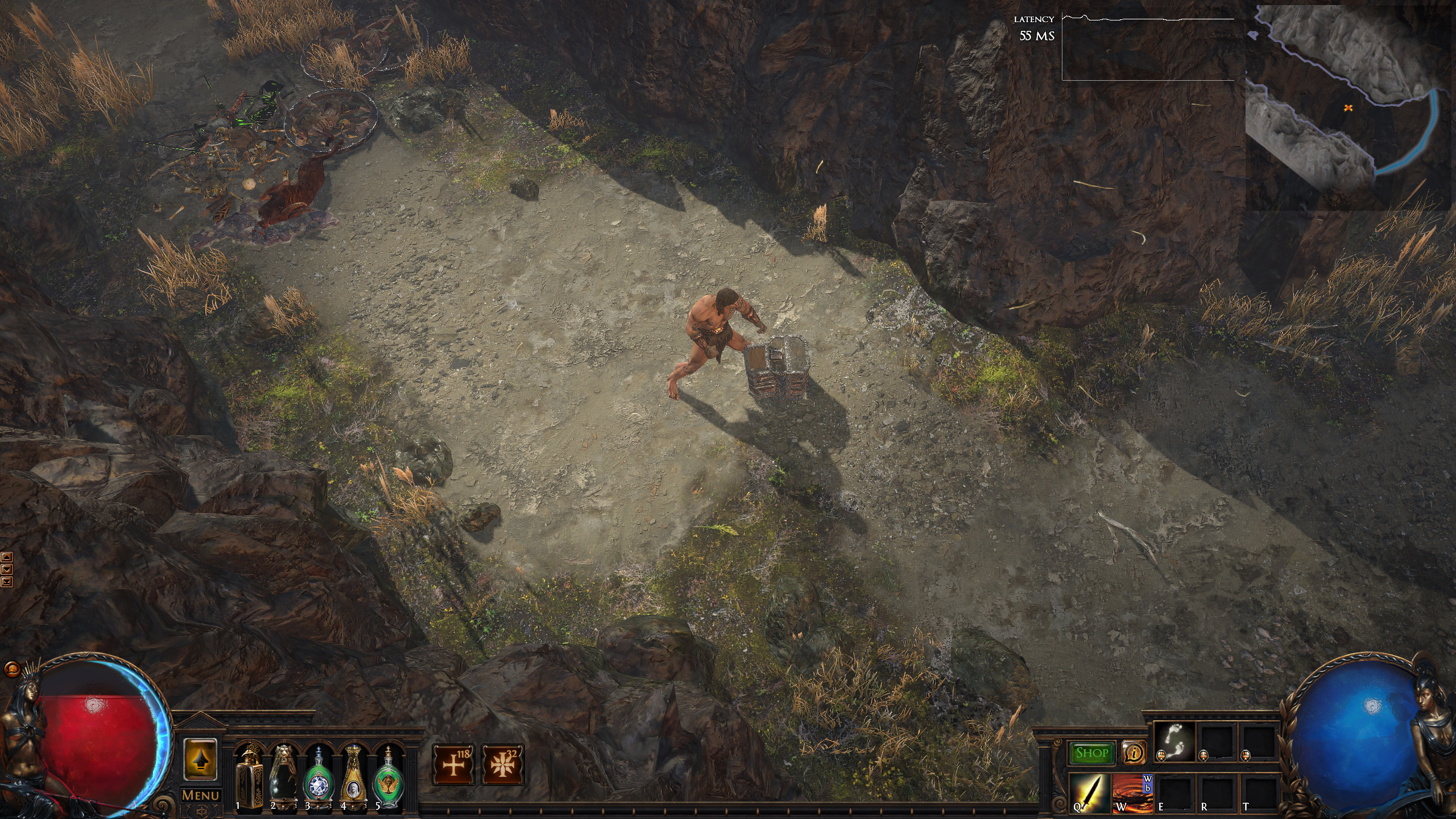
Path of Exile is known for its brutal, dark storytelling that dives deep into the macabre, the mysterious, and the morally ambiguous. In contrast to more traditional ARPG narratives that often focus on heroism, Path of Exile embraces complexity, tragedy, and the grim reality of its world.
This dark storytelling is one of the game’s standout features, creating a world full of intrigue, danger, and emotional depth. In this article, we’ll explore how Path of Exile’s unique approach to narrative sets it apart from other ARPGs and contributes to the game’s immersive world-building.
The World of Wraeclast: A Landscape of Desolation and Tragedy
Wraeclast, the world in which Path of Exile is set, is a place of endless suffering and darkness. From the moment players step into the game, they are thrust into a world of exile, punishment, and ruin. The land is plagued by corruption, destruction, and a history of failed empires, which have left the world in a state of decay. Unlike other ARPGs that often depict a world in which players are tasked with saving the day, Wraeclast’s bleak setting often reflects a grim reality where survival is the ultimate goal.
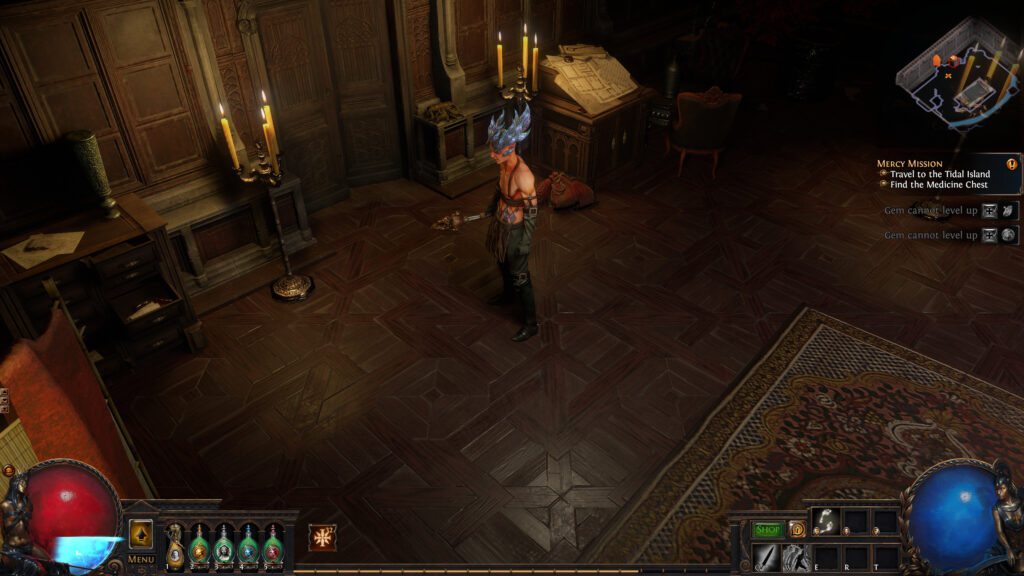
As players explore, they encounter the remnants of ancient civilizations and their failed attempts at salvation, underscoring the recurring theme of futility in the face of overwhelming power. This sense of hopelessness and despair is a core part of Path of Exile’s atmosphere, setting it apart from other ARPGs that lean more towards traditional good vs. evil narratives.
The Complexity of Path of Exile’s Characters
One of the key elements of Path of Exile’s dark storytelling is its complex characters. Players are not faced with simple heroes and villains but with characters who embody moral ambiguity and shades of gray. The game’s protagonists are often exiles or individuals who have been forced into desperate circumstances, and their actions are driven by personal loss, revenge, or a need for survival. Even the game’s villains are rarely pure evil; they are often driven by a twisted sense of purpose or a desire to fix the very issues that plague Wraeclast.
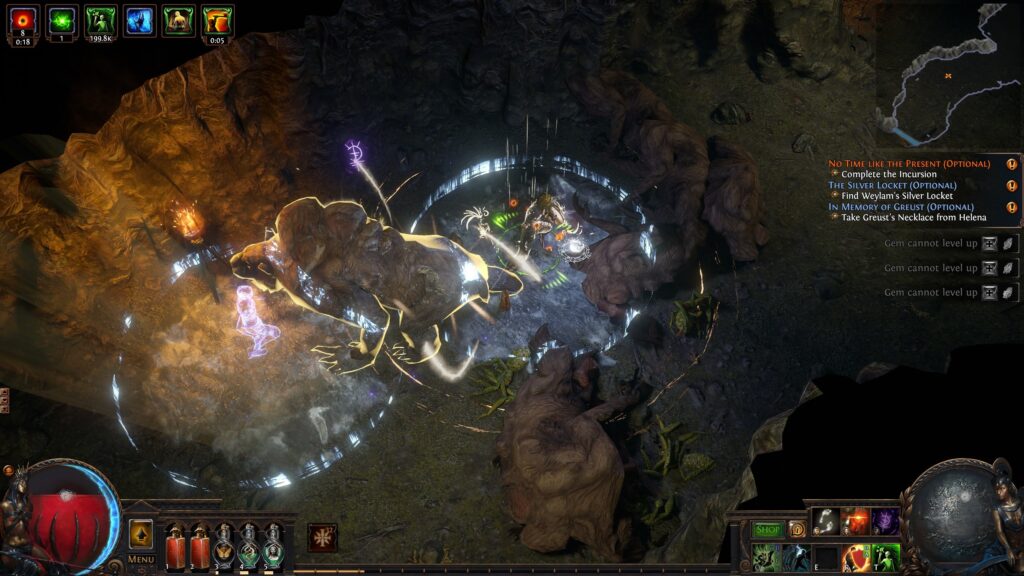
This complexity is most evident in characters like the *Vaal* leaders, whose ambition leads to catastrophic decisions, and *The Shaper*, who seeks control over the fate of the world in ways that ultimately lead to destruction. These characters are not simply “good” or “bad”; they are shaped by the grim realities of their world, and their motivations are as much a part of the story as the conflict itself.
Morality and Consequences in Path of Exile’s Narrative
Unlike many games where moral choices are presented in a binary fashion, Path of Exile offers a more nuanced approach to morality. Throughout the game, players encounter various factions, each with their own agenda and moral compass. The decisions players make may not always have clear “good” or “bad” outcomes. In fact, much of the narrative is built around the idea that the world’s flaws cannot be easily fixed, and every choice comes with consequences.
The game encourages players to question the nature of good and evil, often showing that even the most virtuous actions can have unintended, often tragic consequences. This thematic complexity makes Path of Exile’s story more engaging and thought‑provoking, as players are forced to confront the messy nature of survival in a decaying world.
Dark Themes and Symbolism in Path of Exile’s Storytelling
Path of Exile’s dark storytelling is rich with symbolism, often reflecting the game’s underlying themes of decay, corruption, and redemption. The game uses its environments, characters, and even its enemies to convey these themes, creating an atmosphere that is as much about mood as it is about narrative. From the twisted landscapes of the *Sarn Encampment* to the eerie *Labyrinth* trials, every part of the world tells a story of past failure and present struggle.
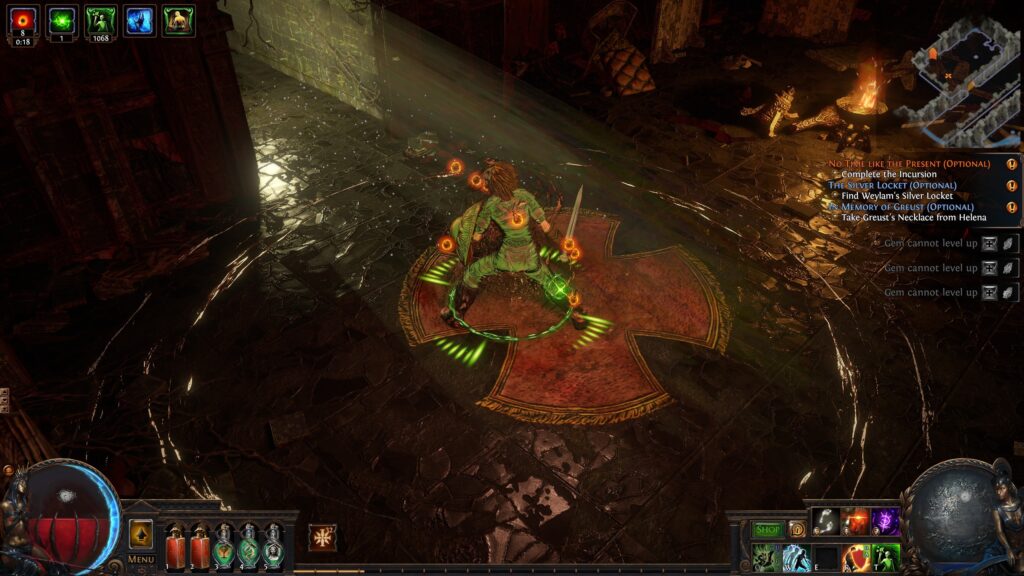
The symbolism in Path of Exile extends beyond the physical environment. The enemies players face—corrupted creatures, tortured souls, and vengeful spirits—are often metaphors for the game’s broader themes, representing the consequences of humanity’s hubris and the moral decay that infects the world. These layers of symbolism contribute to the game’s atmosphere and make its dark narrative all the more immersive and compelling.
How Path of Exile’s Dark Storytelling Enhances Gameplay
The dark narrative in Path of Exile doesn’t just serve as a backdrop for combat—it enhances the gameplay experience by making every encounter feel meaningful. Players are not just clearing dungeons and farming loot; they are uncovering the grim history of Wraeclast and piecing together the fates of its many tragic characters. This sense of purpose and narrative immersion motivates players to engage with the world and its story on a deeper level.
Moreover, the game’s storytelling is often integrated into its gameplay mechanics, such as the crafting system and the interactions with NPCs. As players progress, they are given glimpses into the lore of Wraeclast through item descriptions, NPC dialogue, and quests, all of which are tied to the broader narrative. This integration of story and gameplay makes the world feel alive and full of depth, keeping players invested in the journey even as they engage in the game’s most intense combat sequences.
Conclusion: A Unique Narrative in the ARPG Genre
Path of Exile’s dark storytelling sets it apart from other ARPGs by offering a world full of tragedy, moral complexity, and intricate characters.
The game’s narrative doesn’t just provide a backdrop for action—it is a living, breathing part of the game that influences both gameplay and player engagement. By exploring the complexities of morality, consequences, and human ambition, Path of Exile provides a unique and immersive storytelling experience that continues to captivate players in the ARPG genre.
