
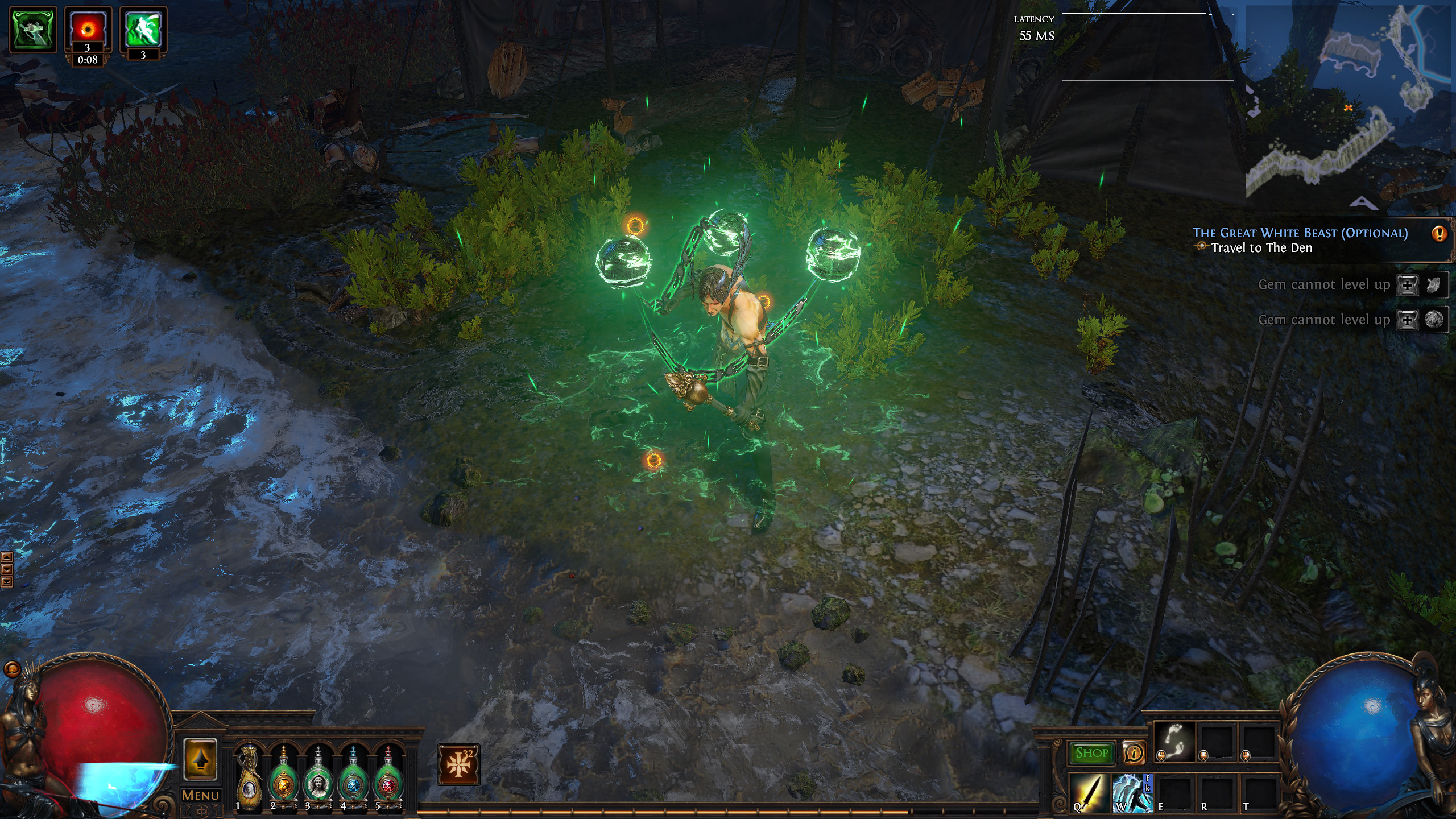
In Path of Exile, the support gems are what turn basic skills into powerful, customized tools of destruction (or defense). Unlike many games where your ability progression is rigid, PoE’s support gem system allows for creativity, experimentation and build complexity.
In this article we’ll explore how support gems add depth, how they fundamentally change how you play, and how you can use them to unlock new possibilities in your builds.
The Role of Support Gems
Support gems are special socketable items that modify the behaviour of active skill gems. When you link a support gem to an active skill gem (in a socketed item or linked gear), the support modifies aspects such as damage type, area of effect, projectile count, duration, or utility. The flexibility of this system means you can tailor your skill to your exact playstyle, turning a “vanilla” skill into something unique.
Because support gems don’t work alone — they must link to active skills — they introduce inter‑dependencies into your gear choices, socket colours, links, and passive tree. This increases the strategic layer: you must plan your socketed items, your link layout, and which supports best suit your build. As a result, support gems deepen the gameplay by making your gear meaningfully interactive with your build concept.
- Customization: Support gems let you tailor your active skills in many directions.
- Build Synergy: You start to craft your gear around the supports you want, not just generic “highest DPS” stats.
- Experimentation: Trying different support combinations can lead to radically different gameplay experiences.
How Support Gems Change Skill Mechanics
Consider an active skill gem that fires a projectile. Without supports, it simply launches one projectile that deals base damage. Add a support gem like “Greater Multiple Projectiles” and you now launch multiple projectiles, increasing hit‑chance, spread and potential damage. Another support might convert part of the damage to fire or cold, or reduce area of effect in exchange for higher damage. These choices have consequences for your build’s gear, passives, and playing strategy.
Support gems also encourage optimization: you might pick supports that reduce mana cost, add duration, or trigger additional effects. This means even two builds using the same base skill can behave very differently simply because they chose different supports. That variety keeps the gameplay fresh and gives players who enjoy fine‑tuning a lot of satisfaction.
Gear and Socket Planning Around Support Gems
Because support gems are tied to sockets, your gear becomes more complex. You need items with enough linked sockets of the correct colours, and that often means choosing bases that support your link requirements. For example, a six‑link chest with correct red/green/blue sockets might be necessary to house a complex skill‑support combination. That gear decision influences everything from your passive tree to your currency expenditure.
The passive tree in Path of Exile is shaped in part by what kinds of supports you plan to use because some nodes increase “socketed support gems’ level”, “support gem effect”, or “damage supported skills deal”. So your build is not just skill + gear + tree – you now add “which support gems” as a major axis of design. That extra axis adds huge depth and replayability.
Examples of Powerful Support Gems
Here are some examples of support gems and how they alter gameplay:
- Support A: Increases projectile count and spread — ideal for builds that focus on multi‑target clearing.
- Support B: Converts physical damage to fire damage and adds burn over time — changes damage type, enables different gear and passive synergies.
- Support C: Reduces area of effect but greatly increases damage and critical strike chance — suitable for single‑target bossing builds.
These supports illustrate how just changing one support gem can shift your build from “map clearing” to “boss killer”. That kind of flexibility is rare in ARPGs, and it’s what makes support gems a defining feature of Path of Exile.
Supporting Different Playstyles and Builds
Whether you prefer melee, ranged, spells, summoners or hybrid playstyles, support gems support your preferred playstyle. Want a melee build with high‑damage but shorter range? Use supports that boost melee damage, attack speed, and life leech. Prefer ranged magic? Use supports for increased area, spell crit, or chain projectiles. The support system bridges between your skill choice and your playstyle preference.
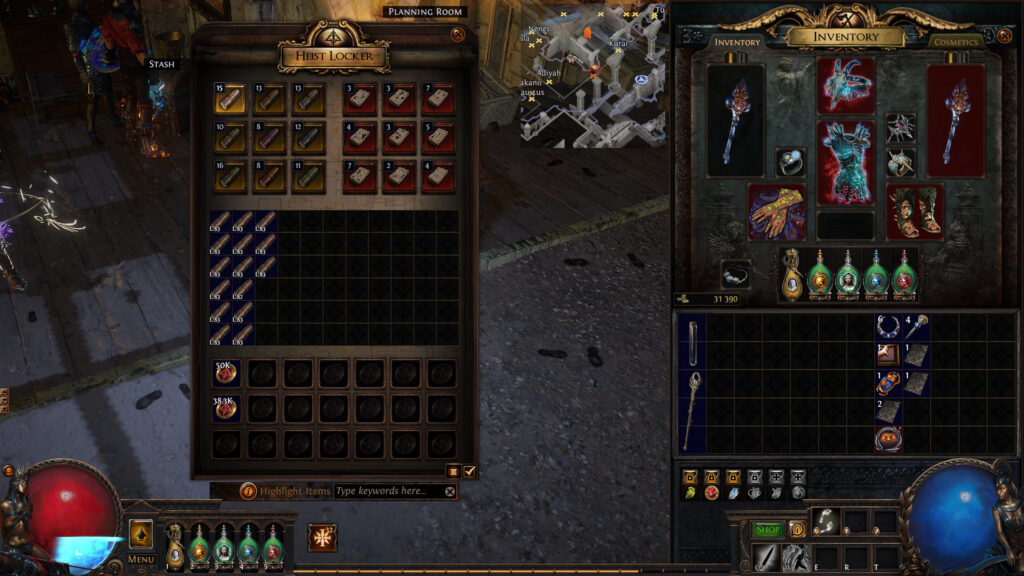
Because support gems are so central, you’ll often find players discussing “which support links” early in a build guide. That tells you how integral they are. If you plan a summoner build, your supports might increase minion damage or health. If you plan a tank build, your supports might boost area aura radius, generate life regen, or add defensive effects. The system contributes massively to build diversity and replay value.
Conclusion: Deeper, Richer Gameplay Through Support Gems
In summary, support gems are one of the key features that give Path of Exile its reputation for depth and build freedom. By allowing players to modify skill behaviour in meaningful ways, they transform gear, sockets, tree, and strategy into interconnected systems.
The ability to experiment, iterate and optimise around support gems means that the game remains engaging long after the initial learning curve. For players who love fine‑tuning, exploring alternate builds or simply finding new ways to play, support gems deliver.
