
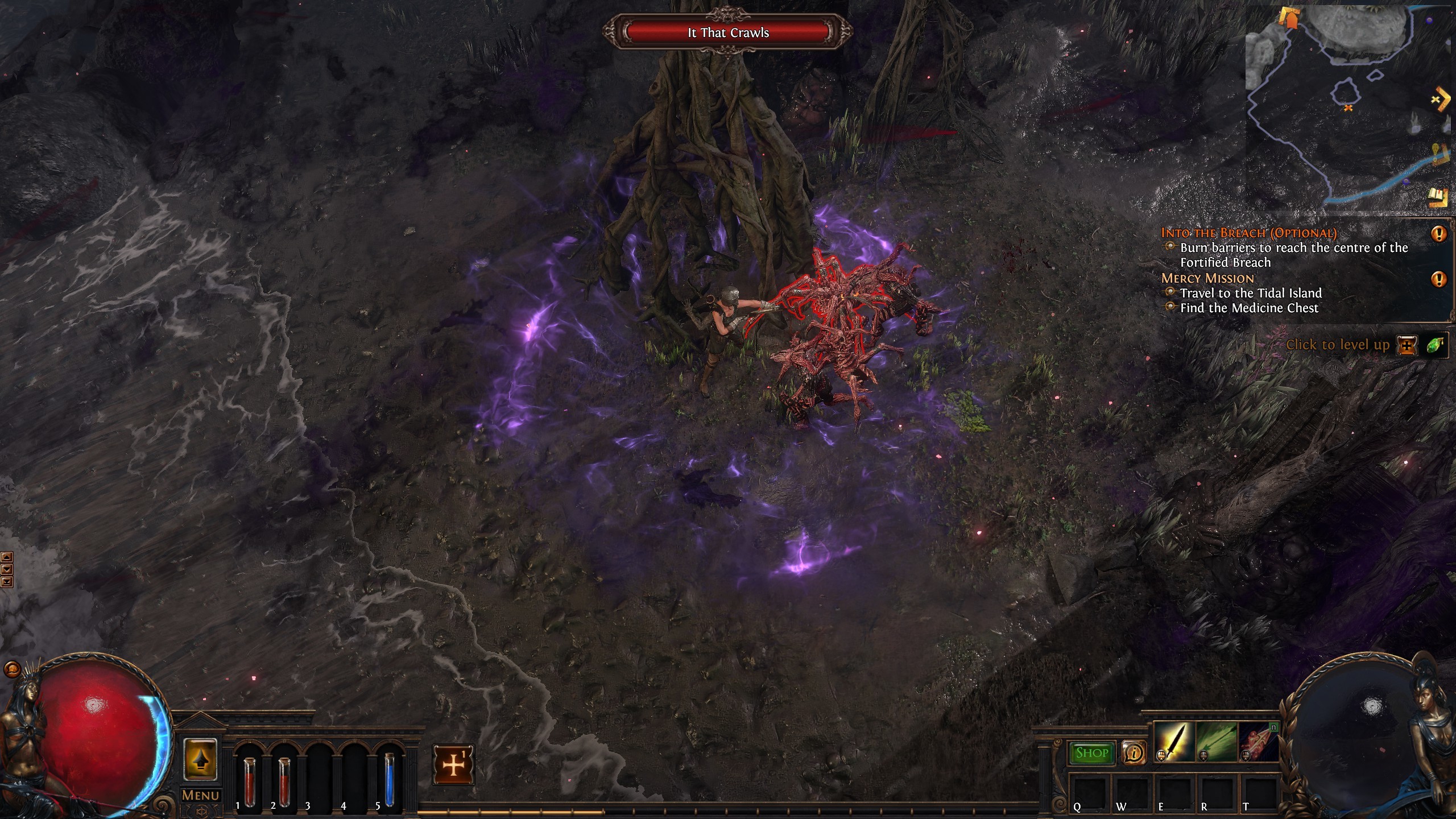
Meta shifts in play a central role in rewriting build popularity each league, often faster than players expect. Balance changes, mechanical adjustments, and new content interact to elevate some builds while quietly sidelining others.
These shifts are rarely absolute judgments of strength; instead, they reflect how builds interact with the current environment. What feels dominant one league may struggle the next, not because it became weak, but because the surrounding context changed. Understanding meta shifts requires looking beyond patch notes and into how systems intersect.
Environmental Changes Reshaping Effectiveness
New league mechanics and encounter designs often favor specific playstyles unintentionally. Increased enemy density, mobility demands, or sustained pressure can elevate builds with strong recovery or area control while diminishing others.
These environmental pressures reshape effectiveness without altering core mechanics. Players who recognize this early adapt quickly, while others cling to outdated assumptions. The meta responds not just to numbers, but to how content asks players to survive and deal damage.
Perception Driving Adoption Faster Than Reality
Build popularity often shifts faster than actual effectiveness due to perception. Early success stories, streamer exposure, and community consensus accelerate adoption, sometimes before thorough testing occurs.
As more players adopt a build, resources, guides, and optimization follow, reinforcing its dominance. Meanwhile, equally viable alternatives remain underexplored. This feedback loop creates metas that feel rigid, even when flexibility exists. Perception becomes as influential as balance itself.
Hidden Survivors of Meta Changes
While attention focuses on rising and falling builds, some archetypes persist quietly across leagues. These builds adapt smoothly to changes due to flexible scaling, strong defenses, or mechanical independence. They may never dominate popularity charts, but they remain consistently viable. Players who value stability often gravitate toward these survivors, trading spectacle for reliability. Meta shifts expose not only trends, but resilience.
Forces That Drive Meta Shifts Each League
Several recurring forces combine to rewrite build popularity every league.
| Meta Driver | Primary Effect | Resulting Shift |
|---|---|---|
| Balance changes | Numerical adjustments | Direct viability swings |
| League mechanics | New pressure patterns | Playstyle favoritism |
| Community adoption | Rapid optimization | Popularity concentration |
Together, these forces ensure that the meta remains fluid rather than fixed.
Adapting Without Chasing Every Trend
Constantly chasing meta trends can exhaust players and undermine enjoyment. Experienced players learn to adapt selectively, adjusting builds to new conditions without abandoning core preferences. This approach balances relevance with personal identity, allowing players to remain effective without restarting every league. Understanding why a meta shifts empowers players to respond intelligently rather than react impulsively.
Conclusion
Meta shifts rewrite build popularity every league by reshaping the environment in which builds operate.
Balance changes, perception, and new content combine to elevate certain playstyles while sidelining others. In Path of Exile, adapting to the meta is less about chasing trends and more about understanding why those trends emerge in the first place.
