
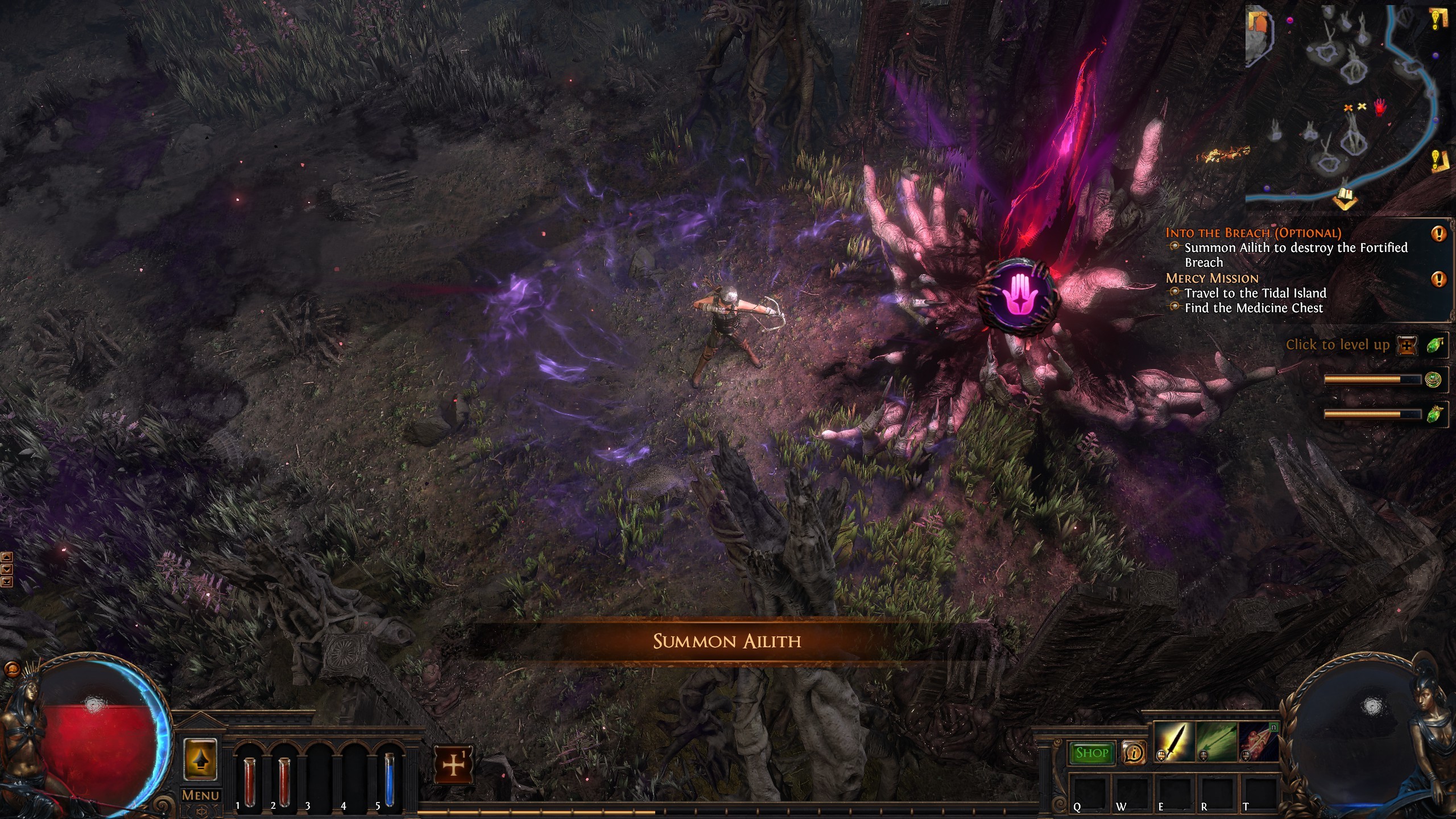
Boss arena layouts in often determine the outcome of encounters long before damage numbers or mechanical execution become relevant. While players frequently focus on boss abilities, resistances, or damage checks, the physical structure of an arena quietly applies pressure that exposes weaknesses in positioning, mobility, and defensive planning.
Corners, elevation changes, limited space, and environmental hazards all shape how a fight unfolds. Builds that perform comfortably in open mapping environments may struggle unexpectedly when confined or forced into awkward movement patterns. These failures feel sudden, but they are rooted in spatial incompatibility rather than player error alone.
Space Restriction as an Invisible Difficulty Modifier
Restricted space amplifies danger by removing escape options. Builds that rely on kiting, wide movement arcs, or gradual disengagement lose their primary defensive tools when arenas compress movement. Limited space forces players into tighter rotations, increasing exposure to overlapping mechanics and reducing reaction margins.
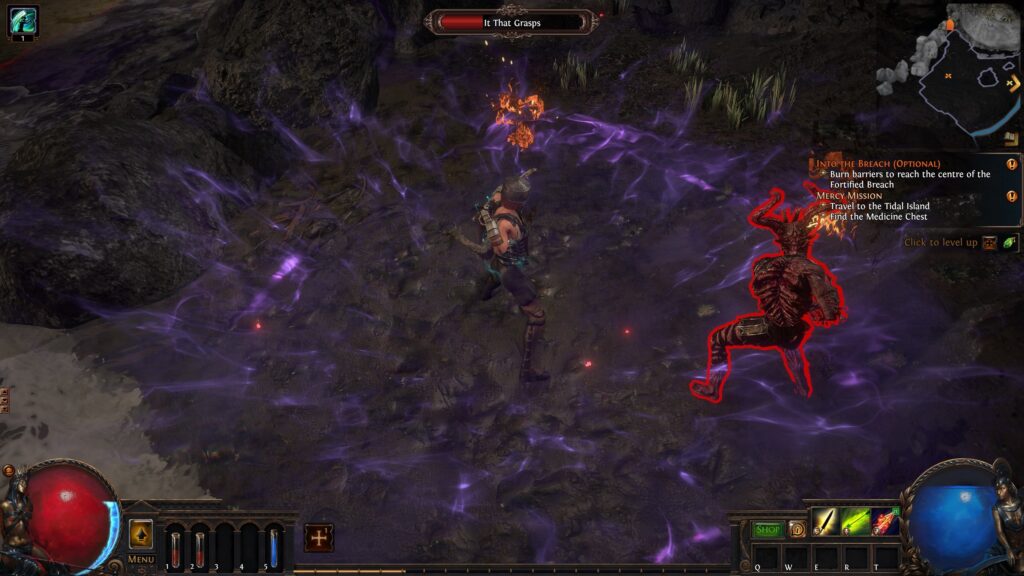
This pressure compounds over time, especially during multi-phase encounters. Players may not immediately recognize the arena as the source of difficulty, instead attributing failure to insufficient damage or defenses. In reality, the layout itself is reshaping the fight in ways the build was never designed to handle.
Environmental Hazards Punishing Passive Play
Many boss arenas incorporate hazards that persist independently of the boss’s actions. Ground effects, delayed explosions, or rotating danger zones steadily reduce safe space. Builds that depend on standing still or maintaining fixed positioning are quietly punished as available ground shrinks.
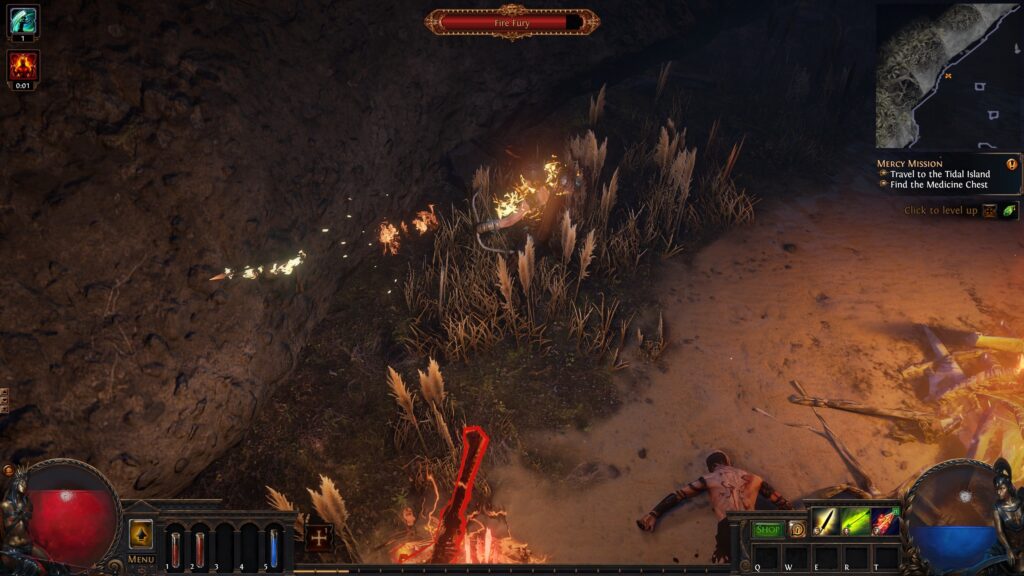
Over time, these hazards force movement that disrupts damage uptime, flask usage, or defensive cycles. Players who fail to anticipate this pressure often find themselves overwhelmed late in fights, even if early phases felt manageable. The arena enforces engagement, whether the build is prepared or not.
Mobility Checks Revealed Through Layout
Arena design frequently acts as a mobility check without explicitly stating it. Gaps, elevation shifts, and forced repositioning reveal whether a build can respond fluidly under pressure. Low-mobility builds may survive initial phases but collapse once movement becomes mandatory. These failures are often misinterpreted as mechanical mistakes rather than structural incompatibility. Over repeated encounters, players learn that mobility is not optional in certain layouts, regardless of damage or defenses. The arena dictates acceptable play patterns.
Arena Layout Factors That Expose Build Weaknesses
Several recurring layout elements consistently punish unprepared builds across boss encounters.
- Limited arena size reducing escape options
- Persistent ground hazards shrinking safe zones
- Elevation changes disrupting targeting and movement
- Forced repositioning during critical damage windows
These elements turn spatial design into a silent but decisive difficulty layer.
Why Arena Awareness Matters Before Gear Checks
Players often attempt to solve arena-induced failures by increasing damage or defenses, overlooking the spatial root of the problem. Understanding arena layouts allows players to adjust positioning strategies, movement timing, or even build choice before investing further. Awareness transforms frustration into adaptation.
Once players recognize how layouts influence encounters, they approach bosses with spatial planning rather than brute force, improving consistency and reducing unexpected deaths.
Conclusion
Boss arena layouts quietly kill unprepared builds by enforcing spatial demands that numbers alone cannot overcome. Restricted space, environmental hazards, and mobility checks reshape encounters beneath the surface.
In Path of Exile, understanding the arena is as important as understanding the boss. Survival often depends on whether a build belongs in the space it is fighting within.
