
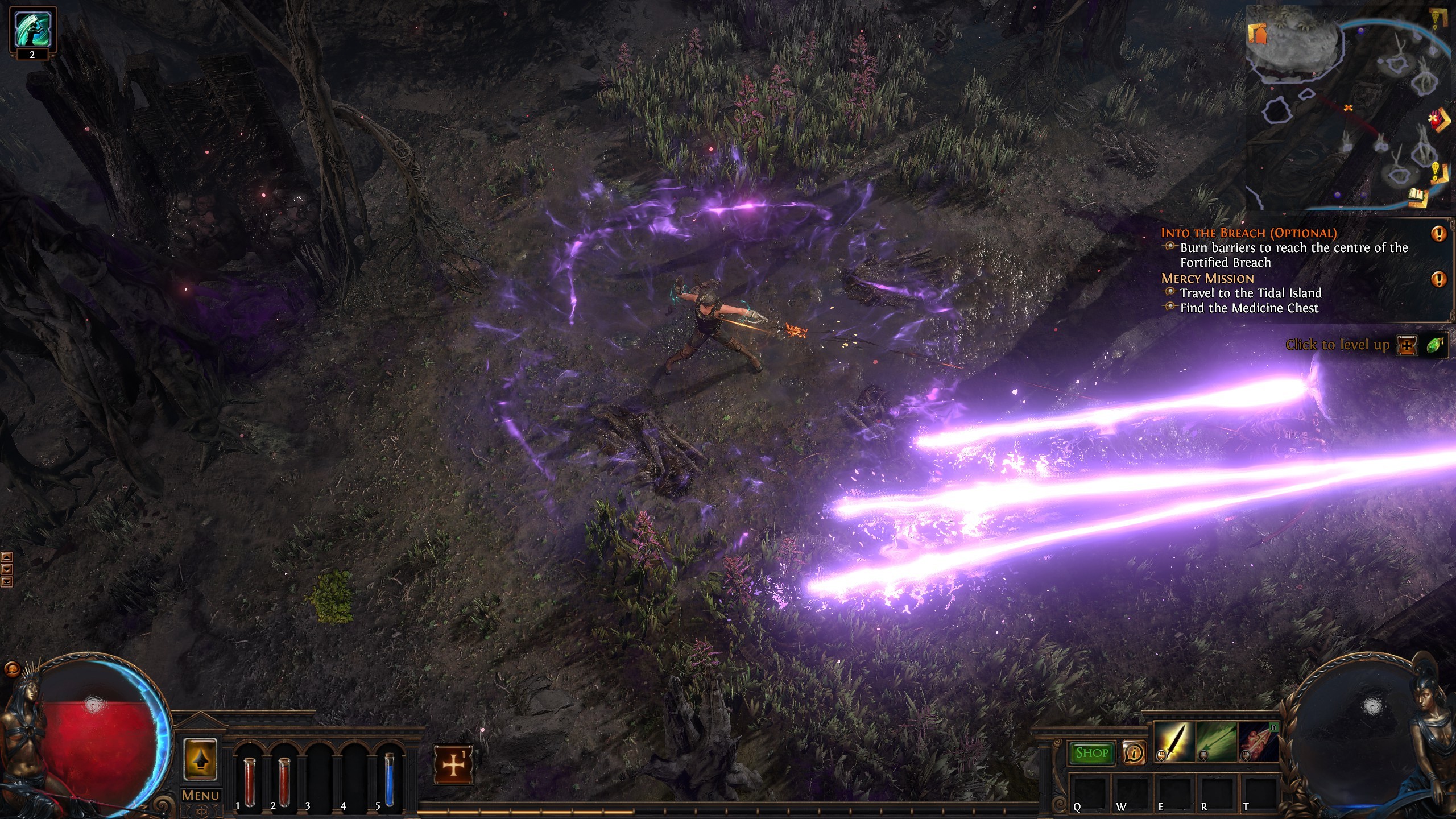
Visual noise fatigue in represents a hidden endurance challenge that emerges during extended mapping sessions. As encounters stack visual effects, item labels, enemy abilities, and environmental hazards, the screen becomes increasingly saturated.
While each element is manageable individually, their accumulation taxes perception and attention over time. Mental endurance becomes as critical as mechanical skill. Players may not notice fatigue building until reaction times slow and mistakes increase, revealing how visual overload subtly erodes performance.
How Visual Density Accumulates Over Time
Visual density rarely overwhelms players immediately. Instead, it accumulates gradually as sessions extend. Repeated exposure to overlapping effects desensitizes perception, making it harder to distinguish threats from background noise.

Item labels, spell effects, and enemy telegraphs compete for attention, forcing the brain to filter aggressively. This constant filtering consumes mental resources, leading to fatigue even when mechanical execution remains unchanged. The longer the session, the greater the cost.
Fatigue Manifesting as Mechanical Errors
As visual fatigue sets in, errors begin appearing in subtle ways. Players misjudge distances, miss telegraphs, or react slightly too late. These mistakes are often attributed to randomness or momentary lapses, masking their true cause.
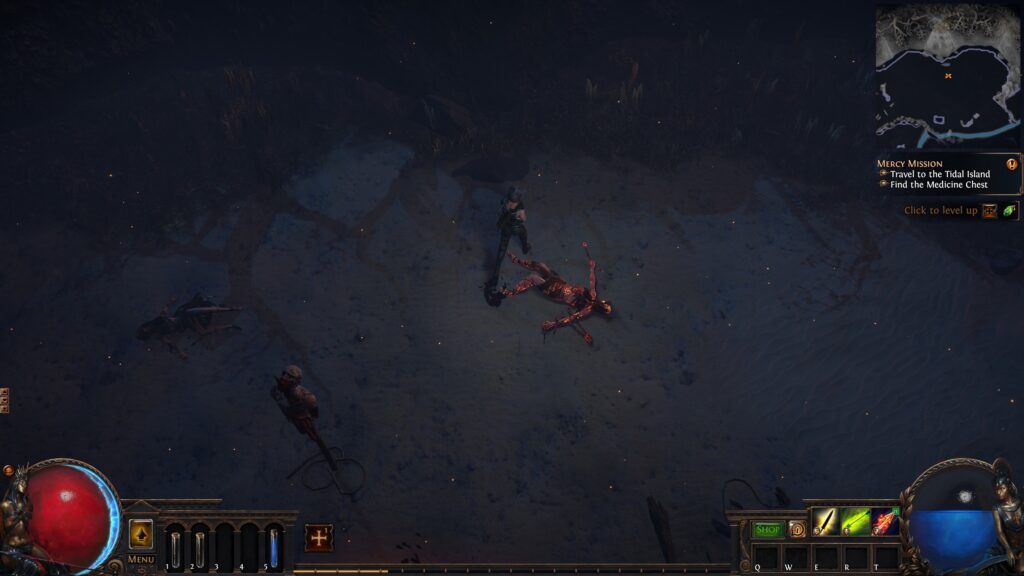
Over time, accumulated errors compound into deaths or inefficient play. The issue is not lack of knowledge, but depleted mental bandwidth. Recognizing fatigue as a mechanical limiter is essential for maintaining performance during long sessions.
Mental Endurance as a Learnable Skill
Mental endurance can be trained through awareness and intentional pacing. Players who recognize early signs of fatigue adjust behavior before performance degrades significantly. This includes taking breaks, reducing session length, or simplifying visual inputs where possible. Endurance is not about pushing harder, but about sustaining clarity. Players who manage mental load consistently outperform those who rely solely on mechanical strength.
Sources of Visual Noise in Extended Mapping
Several factors contribute consistently to visual fatigue during long sessions.
| Source | Effect on Perception | Long-Term Impact |
|---|---|---|
| Overlapping skill effects | Reduced threat clarity | Slower reactions |
| Item label clutter | Visual obstruction | Missed mechanics |
| Enemy density | Information overload | Increased error rate |
Understanding these sources allows players to mitigate their cumulative effect.
Why Endurance Determines Long-Term Efficiency
Long-term efficiency depends less on peak performance and more on sustained clarity. Players who manage visual fatigue maintain consistent output over hours, while others experience sharp declines.
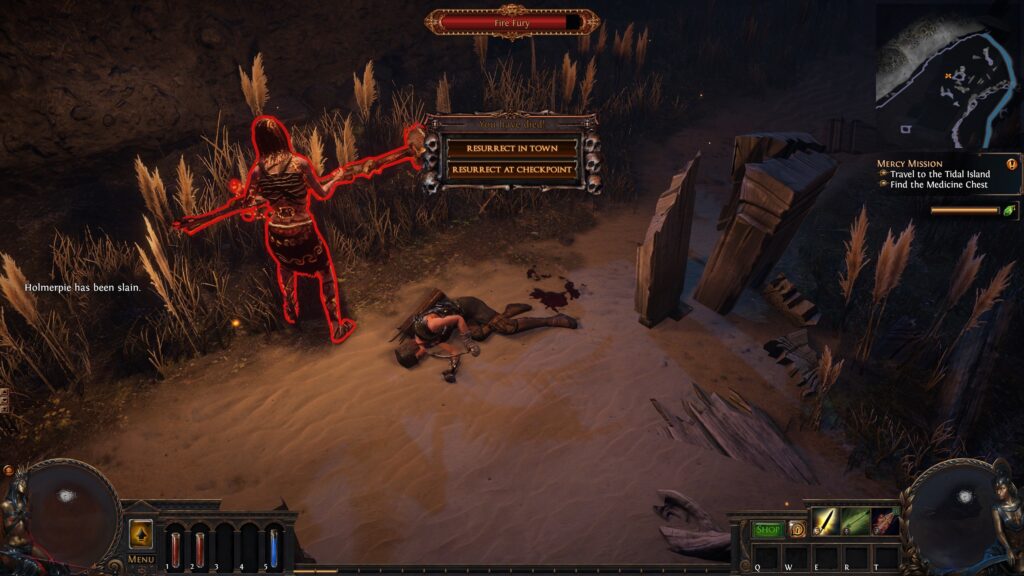
Mental endurance protects against avoidable deaths and wasted time, preserving progress across sessions. In a game where repetition is central, endurance becomes a multiplier on all other skills.
Conclusion
Visual noise fatigue shapes performance during long mapping sessions by quietly draining mental endurance.
Recognizing and managing this fatigue transforms endurance into a strategic advantage. In Path of Exile, sustained clarity often determines success more reliably than momentary brilliance.
