
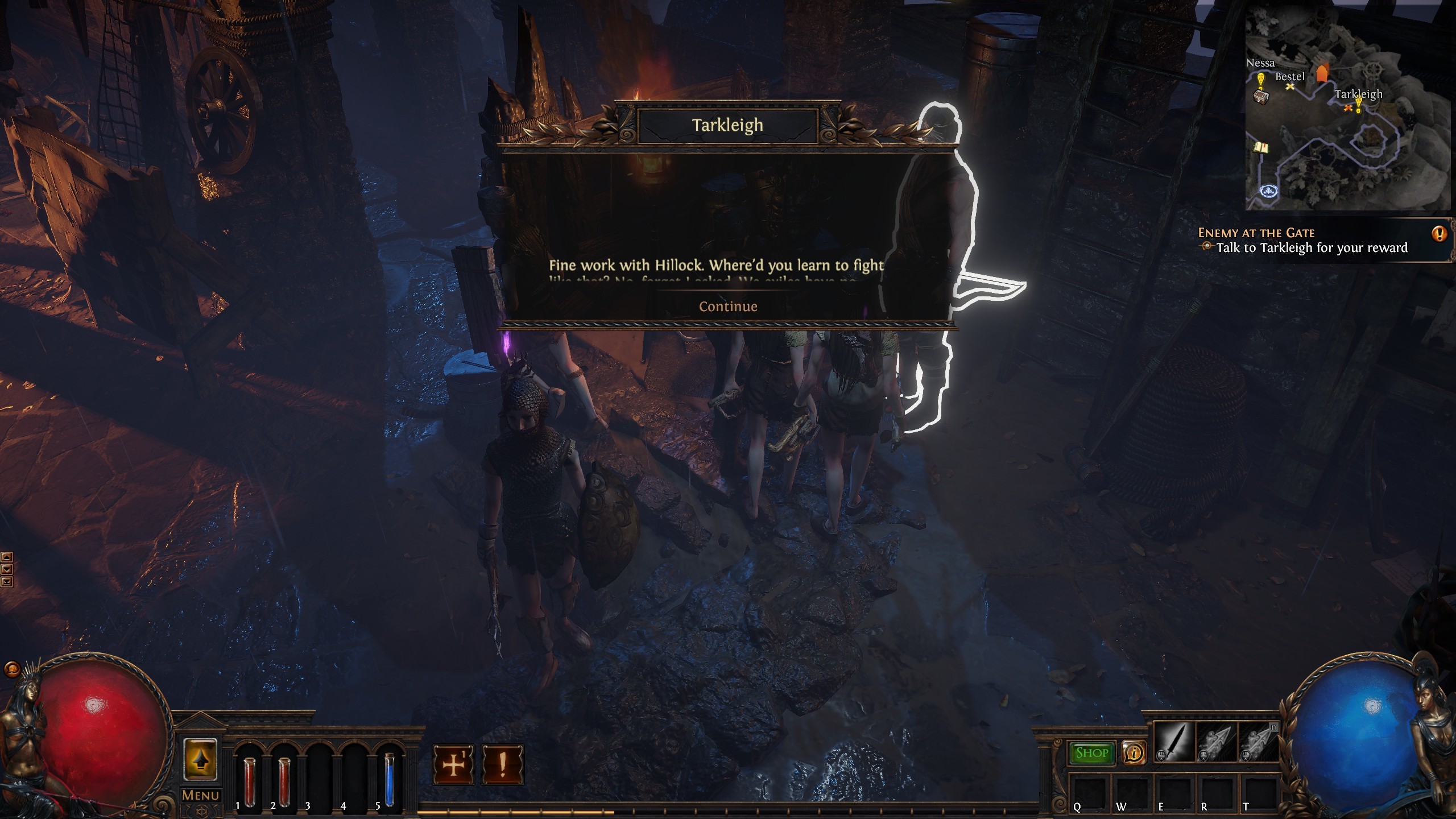
The learning curve shock between new players and returning veterans in is one of the most defining social and experiential divides in the game. New players often enter with limited expectations, prepared to learn gradually, while returning veterans arrive carrying years of accumulated knowledge, habits, and assumptions.
When systems evolve, this difference creates friction. New players absorb information as it is presented, but veterans must reconcile changes with prior understanding. The shock does not come from difficulty alone, but from misaligned mental models. What once felt intuitive may no longer apply, creating frustration that new players simply never experience in the same way.
Why New Players Adapt Faster Than Expected
New players approach the game without preconceptions, which allows them to adapt more fluidly to modern systems. They learn mechanics as they are currently designed rather than as they once were. This openness reduces internal conflict, as there is no need to unlearn outdated habits. While the volume of information is overwhelming, the direction is clear. Progress feels linear because there is no comparison point. New players may struggle initially, but their understanding aligns naturally with current design, allowing steady improvement without cognitive resistance.
Veteran Knowledge as Both Strength and Liability
Returning veterans bring deep system knowledge, but that knowledge can become a liability when mechanics shift. Familiar strategies may no longer work, and muscle memory can actively interfere with optimal play. Veterans often attempt to force old solutions onto new problems, creating repeated failure.
This conflict is emotionally taxing, as it challenges identity built on mastery. The shock is not about relearning basics, but about accepting that expertise must be rebuilt selectively. Veterans must decide which knowledge remains valuable and which must be discarded.
Expectation Mismatch Intensifying Frustration
Expectation mismatch amplifies learning curve shock. Veterans expect early competence and efficiency, while new players expect confusion and mistakes. When veterans struggle, frustration escalates quickly because progress feels like regression.
New players, by contrast, perceive struggle as normal. This difference shapes emotional response to the same challenges. Veterans often experience impatience and self-criticism, while new players experience curiosity. The same system produces entirely different emotional outcomes depending on expectation.
Key Factors Driving Learning Curve Shock
Several recurring factors contribute to the learning curve shock between these groups.
- Outdated mental models conflicting with current systems
- Muscle memory reinforcing ineffective habits
- Higher self-expectations among returning veterans
- Lack of emotional tolerance for relearning fundamentals
These factors compound, making adaptation feel harder than initial learning ever was.
Bridging the Gap Through Intentional Relearning
Veterans who successfully overcome learning curve shock adopt a mindset closer to that of new players. They slow down, question assumptions, and relearn systems without judgment. This intentional reset restores adaptability and reduces frustration.
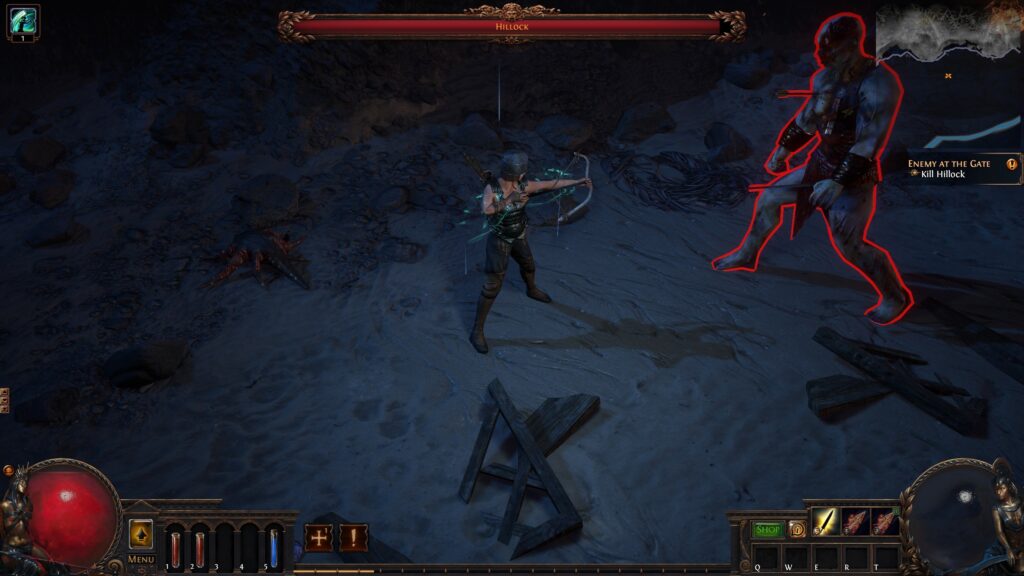
Over time, veterans often surpass new players again, but only after accepting temporary discomfort. The gap narrows not through stubbornness, but through humility and curiosity.
Conclusion
Learning curve shock between new players and returning veterans in Path of Exile arises from expectation mismatch, outdated knowledge, and emotional resistance to relearning. While veterans possess deeper experience, adaptation requires letting go of assumptions. Those who embrace relearning regain mastery, while those who resist remain stuck. In evolving systems, flexibility matters more than memory.
