
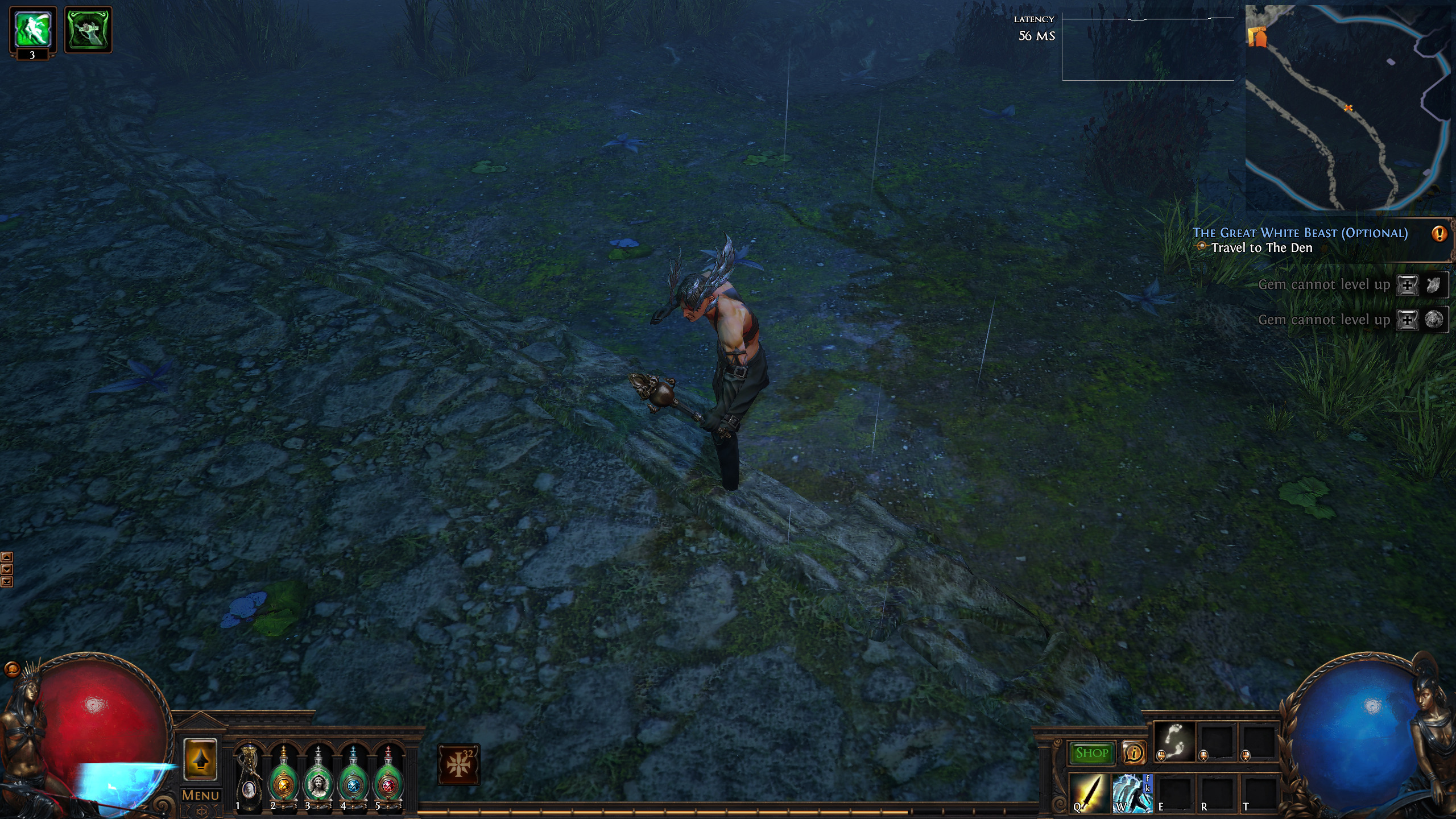
Beyond its systems and gameplay mechanics, Path of Exile immerses players in a deeply‑woven story of a world in ruin, ancient gods, fallen empires, and relentless corruption.
The land of Wraeclast and its inhabitants carry the scars of divine war, human ambition, and cosmic cataclysms—and this dark narrative sets the game apart in the ARPG genre. In this article, we’ll explore the major threads of Wraeclast’s past and the gods whose actions still echo in the present day.
The Land of Wraeclast: Exile and Desolation
Wraeclast is not a hopeful land on the brink of salvation. It is a penal colony, a place to which the Empire banished its criminals, the weak, the unwanted—and where corruption and darkness took root. The very landscape is haunted by tragedy and failure: ancient civilizations rose and fell, swallowed by their own ambition and the power of nameless forces.
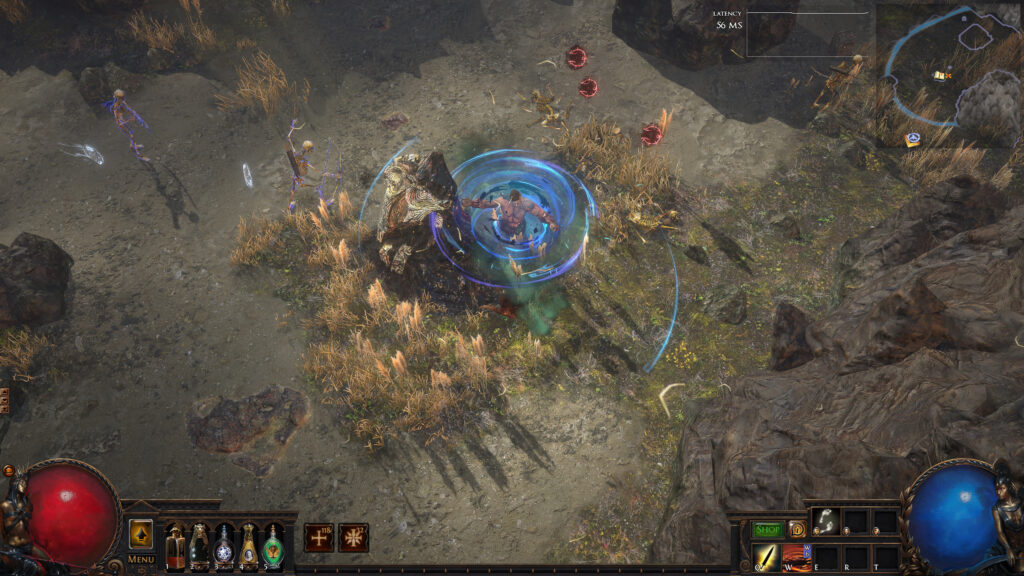
As a player arriving in Wraeclast, you step into a world where survival is uncertain, where the ruins of former glories surround you, and where every monster, every cave, and every relic holds echoes of what once was. The game uses this setting to ground its narrative—combat isn’t just about loot, it’s about unraveling the world’s story.
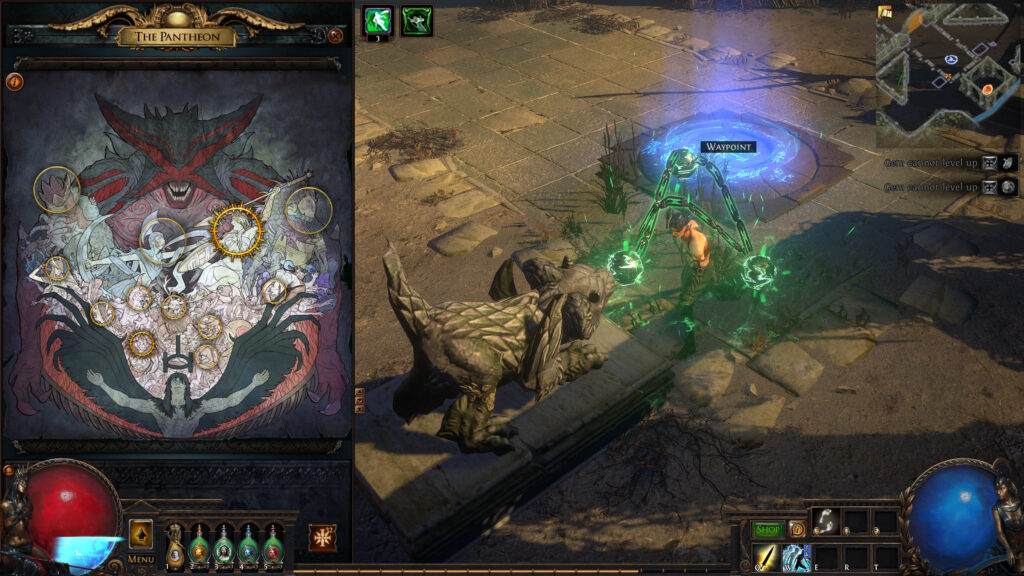
The Pantheon of Gods and Their Legacy
A key part of Wraeclast’s story is its gods—powerful beings whose actions shaped the world. Some attempted to bring order, some embraced chaos, some fell to corruption. Their conflicts, betrayals, and ambitions left mark after mark on Wraeclast’s geography and history. These gods are not just background flavour; their legacy influences mechanics, zones, bosses, and even the player’s journey.
For example, when you visit temples or face bosses named after these gods or their avatars, you’re not just fighting a monster—you’re confronting the consequences of divine power and human frailty. The lore ties in with the gameplay, making each major zone more than just terrain—it’s about history, mythology and cosmic stakes.
The Fall of the Vaal and the Corruption of Power
One of the most tragic stories in Wraeclast’s lore is that of the Vaal civilisation—once prosperous, powerful, and deeply connected to the divine. Their downfall came through hubris, misuse of magic, and corruption from within. Ruined cities like Sarn and the echoes in the Vaal areas remind players that even the greatest empires fall when they forget humility.
The Vaal storyline demonstrates how Wraeclast’s lore rejects simple “victory through heroism” narratives. Instead, it offers cautionary tales: power unchecked, the misuse of divine gifts, and the cyclic nature of ruin. When you clear Vaal content or confront remnants of their legacy, you’re participating in the world’s history—not just chasing loot.
The Battle Between Order and Chaos
Many of the gods and cosmic forces in Path of Exile reflect the tension between order and chaos. Some gods sought to impose structure, build civilization, and stabilise magic. Others spread decay, promoted entropy and embraced the void. This thematic conflict underpins many of the game’s major story arcs and forms the backdrop of major expansions.
The result is a narrative that resists simple “good vs evil” tropes. Instead you see shades of moral ambiguity: gods who once protected the land but became tyrants, mortals who fought for freedom but unleashed chaos, and players who must navigate that blurred line. This layered approach to storytelling elevates the game beyond “clear the dungeon and beat the boss.”
- Order vs Chaos: Civilisations trying to build structure, and the forces that resisted or corrupted them.
- Legacy of Failure: Each ruin or dead city tells a story of ambition gone wrong.
- Player as Witness: The player character is both exile and savior, moving through history but also shaping it.
Zones as Storytelling Devices
In Path of Exile, your journey through zones is not just a progression of difficulty—it’s a descent into deeper layers of lore. The early acts place you in the exile camps and ruined wilderness; later acts lead you into fallen cities, corrupted temples and the realms of gods. Each zone encapsulates a chapter of Wraeclast’s story. By the time you reach endgame zones, you’re traversing the consequences of divine war, human folly and cosmic collapse.
Moreover, bosses are not just monsters—they are representations of these stories. Whether it’s an avatar of a god, a betrayed king, or a corrupted hero, each powerful enemy is a narrative milestone. You’re not simply clearing content—you’re undoing echoes of history, reclaiming stolen powers or exposing divine corruption.
Why the Lore Matters for Gameplay Experience
While lore can be superficial in many games, in Path of Exile it enhances the gameplay experience by giving context to your actions. When you’re farming maps, trading items, or crafting gear, the world feels more alive because the narrative gives weight to what you’re doing. Killing a boss isn’t just a drop source—it’s reclaiming a piece of Wraeclast’s story.
For players who care about immersion, the dark storytelling becomes part of the loop. The corrupted temples, the whispered histories, the tattoos of gods on gear—all contribute to atmosphere. If you enjoy loot games purely for mechanics, the lore adds flavour. If you enjoy them for narrative, this game offers more than many ARPGs give you.
Conclusion: A Dark World Worth Exploring
Path of Exile’s lore isn’t just window‑dressing—it’s woven into its design, mechanics and progression. The world of Wraeclast, its gods, its fallen empires and its endless cycles of rise and ruin give the game a tone and depth that many ARPGs lack.
Whether you’re racing a new league, farming maps for currency or simply exploring every corner of the atlases, you’ll find that the story of Wraeclast is ever present. Dive in, appreciate the darkness, and let the lore deepen your journey.
