
The kitchen comparison
A good kitchen does not feel frantic from the outside. Behind the pass, however, every person knows their station, every tool is within reach and every order is called out loud. A raid night has the same structure. The Venomous Abyss, the eight-boss raid of patch 12.1 in World of Warcraft: Midnight, rewards groups that prepare early and communicate cleanly. This guide borrows the vocabulary of professional service to describe a raid evening, from the first preparations through the last boss, and ends with an honest note about paid help.

Mise en place: your character is your station
Mise en place means everything in its place before service begins. For a raider, it begins with the character: level 90 reached, gear repaired, bags cleared so loot has somewhere to go, and the keybinds checked. Update your addons before the evening, not during the pull timer, because an addon error at the door costs more time than it seems. Check that your voice settings work, that your interface shows the information you need and that you know where your defensive abilities sit. Fifteen quiet minutes of setup replace half an hour of apologies later.
Consumables as the pantry
A pantry is stocked before the dinner rush. Consumables are your pantry: flasks, food, potions and anything else your role normally uses. Decide as a group what is expected, post the list in advance and let people gather items on their own time. Buying supplies at the last minute from a busy auction house is the raid equivalent of running to the market during service. Keep a small reserve for the whole evening, and agree whether repairs and refills happen between wings or only at planned breaks, so nobody has to leave mid-fight.
Reading the menu: wings and modes
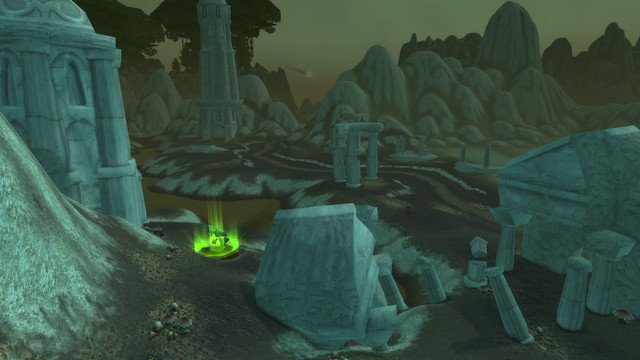
Every service begins with a menu, and a raid evening begins with a plan. The raid takes place on the Coiled Isle and holds four wings of two bosses each: the Soulcoilers, the Essence of Venom, the Serpent Warren and the Tomb of Ula’tek, with Ula’tek as the final encounter. Decide which of Story Mode, Raid Finder, Normal, Heroic or Mythic the evening will serve, and write down the target. A modest menu cooked well beats an ambitious menu cooked badly. Guests remember a smooth dinner far longer than a long list of dishes.
Pacing the evening, wing by wing
Pacing is what separates a calm service from a chaotic one. Treat each wing as a course. Start the first course on time, check in after it, and decide together whether the second course is still realistic. Planned breaks work like the quiet minutes between seatings: ten minutes to stretch, eat and repair, so the next wing starts with a fresh head. If the group is tired, finishing early with a clean result is better than pushing into a late wipe spiral. Announce the time budget at the start and revisit it honestly.
The pass: one voice calling the orders
In a kitchen, one person at the pass calls the orders and everyone repeats them back. A raid benefits from the same discipline. Choose one leader for the evening, let others speak up only when necessary and keep chatter short during encounters. Use short, consistent phrases for the same events, so nobody has to translate. After a wipe, give the leader two quiet minutes to decide on a change before the discussion begins. If every person adds an opinion at once, the signal disappears, and the next attempt looks like the last one.
Tasting and adjusting after a wipe
Chefs taste constantly, and a wipe is simply a taste test that came back wrong. Ask what happened in one sentence, decide on one change and try again. Avoid long lectures, because tired players stop listening after the second paragraph. Record notes on a shared document so mistakes are not repeated next week. A group that adjusts one thing per attempt learns faster than a group that changes everything and cannot tell which change helped. Kind, precise feedback keeps the kitchen friendly enough for people to return.
Respect for every station
Nobody in a restaurant is unimportant, from the dishwasher to the head chef, and the same holds in a raid. Tanks, healers and damage dealers have different pressures, and players new to a role often need more patience than the others. Praise specific actions, such as a well-timed defensive or a quick recovery, because it reinforces good habits. Avoid public blame, which makes people hide their mistakes rather than report them. Be generous with newcomers who ask questions between bosses, and remember that the evening ends in the same chat channel where it began.
Closing the kitchen: the end of the night
When the last boss falls or the planned time runs out, close the service properly. Thank the group. Mention what went well in two or three sentences. Note what is left for next time, such as the wing still waiting and the roles that need attention. Distribute loot according to the rules agreed in advance, and confirm who is available for the next session. A tidy closing routine turns one good evening into a habit, and habits are what keep a raid team together over a whole tier.
An honest note about paid help
Not every diner cooks at home, and not every player has a group. A Venomous Abyss carry is a paid arrangement in which other players help clear content for you. It is a personal decision, not a recommendation. The game publisher restricts third-party services and shared accounts, and penalties are possible, so read the current terms before spending anything. If you decide to look into it, compare several providers, protect your login details, keep records of the agreement and the payment, and do not expect guaranteed results. Free options such as guild or open groups deserve a fair try first.
When the kitchen is understaffed
Some evenings, too many people are missing. In a kitchen the manager reduces the menu, and a raid leader can do the same. Cancel the hardest target, switch to a lower mode or offer a shorter session. A smaller, successful night is better than a cancelled one. If recurring absences become a pattern, recruit backups or schedule a second team on another evening. Be kind to those who cannot attend; life outside the game is allowed to take priority, and they will remember how the team treated them when they return.
Service notes to keep
Prepare the station, stock the pantry and read the menu. Pace by wing, call from the pass and taste after every wipe. Respect every station and close the night properly. If paid help interests you, treat it as an option with real risks, not a shortcut with a promise attached. A raid night that runs like a good service is quiet in the right places, warm in the others and leaves everybody a little hungry for next week’s Venomous Abyss evening.
