

World of Warcraft manages a difficult narrative trick: it balances high-stakes, world-ending drama with lighthearted humor and satire. This tonal flexibility is essential to the game’s identity, preventing it from ever becoming too dreary while simultaneously ensuring that the epic moments retain their weight. This guide explores the “tone engine” of the game, breaking down how the developers alternate between comedy and tragedy to keep the experience feeling vibrant, grounded, and unmistakably Warcraft.
The Compartmentalization of Tone
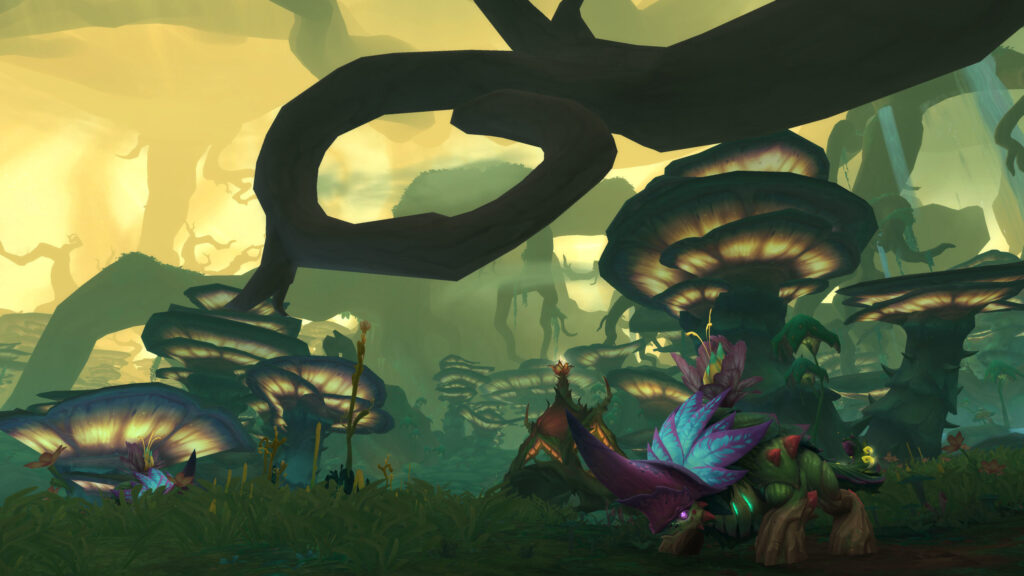
The secret to Warcraft’s tonal balance is compartmentalization. The epic drama is almost always reserved for the main campaign, the raid encounters, and the major world events. These moments are treated with cinematic seriousness. The stakes are high, the music is grand, and the writing is focused on sacrifice and duty. Humor, meanwhile, is usually relegated to the side quests, flavor text, and background environmental details. This separation ensures that the player knows exactly when it is time to be serious and when it is okay to have a laugh. By keeping these two tones separate, the game allows them to coexist without clashing.
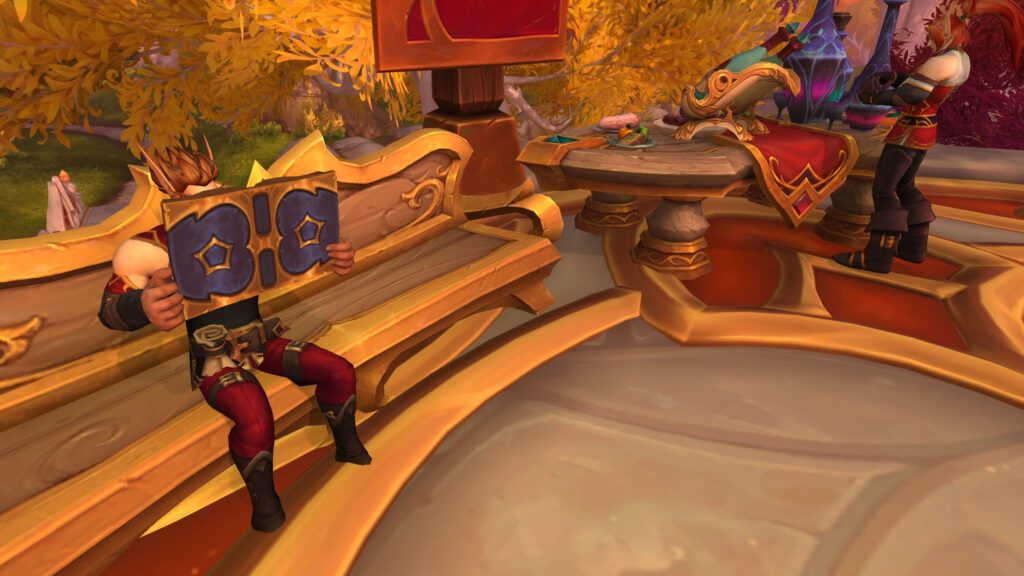
Humor acts as a narrative “palate cleanser.” After a particularly intense raid or a grim questline about the undead, encountering a goblin who is trying to sell you a faulty jetpack provides a necessary emotional release. It prevents the player from becoming desensitized to the “doom and gloom.” If the world were always dark, the darkness would eventually stop being scary. By interspersing these moments of levity, the developers ensure that when the dark moments do happen, they still have the power to surprise and affect the player.
Tonal Balance Strategies
| Approach | Emotional Impact |
|---|---|
| Cinematic Seriousness | Maintains the gravity of the main conflict. |
| Side-Quest Levity | Prevents burnout and adds personality. |
| Satirical Flavor Text | Keeps the world from feeling overly clinical. |
| Tonal Contrast | Makes the dark moments hit harder. |
The Role of Self-Awareness
The game is also deeply self-aware. It recognizes that it is a fantasy game, and it isn’t afraid to poke fun at its own tropes. This self-deprecation is a core part of its identity. It allows the game to be epic without being pretentious. By acknowledging the absurdity of its own setting, the game builds a bond with the player. It signals that we are all in on the joke, and that while we are here to save the world, we don’t have to be humorless about it.
The Resulting Identity
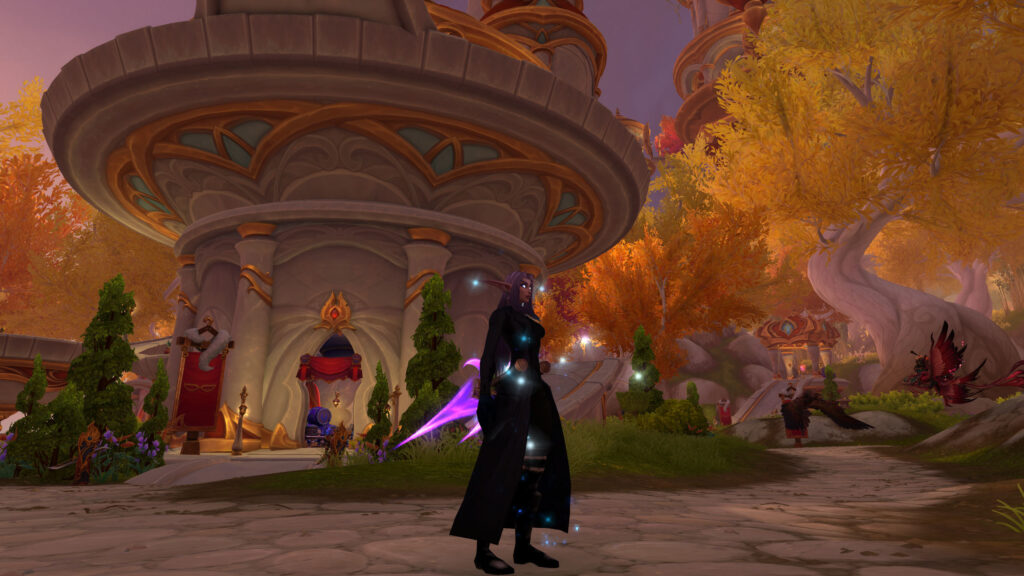
This balance creates a world that feels “lived-in.” Real life is a mixture of tragedy and comedy, and World of Warcraft reflects that reality. By giving the player room to laugh at a silly goblin quest and then immediately asking them to defend a city against a demon lord, the game provides a complete emotional experience. This range is what keeps the game’s world feeling authentic—it is a world where there is room for the epic, the mundane, and the ridiculous to happen side-by-side.
