
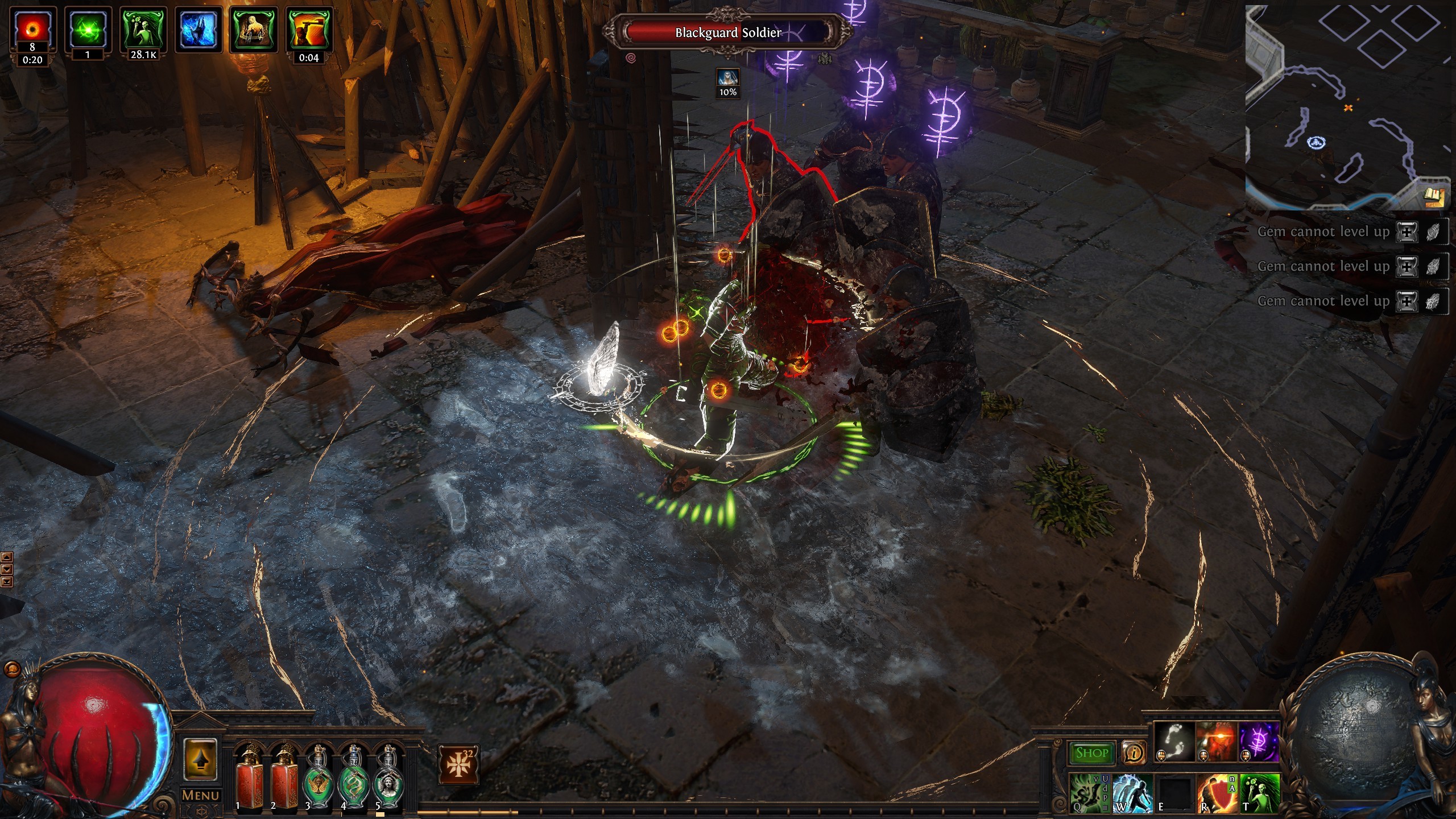
Campaign difficulty spikes in :contentReference[oaicite:1]{index=1} serve as intentional stress tests designed to evaluate build readiness rather than player reflex alone. These spikes often appear suddenly, interrupting periods of smooth progression with encounters that demand stronger defenses, better damage consistency, or improved positioning. For many players, these moments feel abrupt or unfair, but they serve a clear purpose. They expose weaknesses that normal encounters allow players to ignore. Difficulty spikes act as checkpoints, forcing reassessment before players are allowed to progress further.
Why Difficulty Spikes Exist in the Campaign
Campaign difficulty spikes are not accidents or balance oversights. They are deliberately placed to prevent fragile builds from coasting too far without consequence. Without these spikes, players could reach later content with critical weaknesses that would cause even greater frustration. Spikes encourage players to pause, evaluate their defenses, damage scaling, and utility, and make corrections while the cost is still manageable. In this way, the campaign functions as a training ground rather than a simple introduction.
Common Build Weaknesses Revealed
Difficulty spikes tend to expose the same categories of weakness repeatedly. Insufficient resistances, lack of recovery, unreliable damage application, and poor mobility often surface simultaneously under pressure. Players may survive earlier content through positioning or luck, but spikes remove these safety nets. The sudden increase in threat density or damage output forces builds to perform consistently rather than occasionally. These moments clarify which aspects of a build are truly functional and which were being masked by forgiving encounters.
Emotional Impact on Player Confidence
The emotional impact of difficulty spikes is often underestimated. Players who experience repeated failure may interpret it as personal incompetence rather than structural weakness. This misinterpretation leads to frustration or reckless behavior, such as over-farming or abandoning builds prematurely. Understanding that spikes are diagnostic rather than punitive helps reframe these moments as learning opportunities. When players treat failure as information, confidence recovers more quickly, and progression resumes with stronger foundations.
Typical Campaign Difficulty Spike Indicators

Several recurring indicators signal that a difficulty spike is testing build readiness.
| Indicator | What It Tests | Common Outcome |
|---|---|---|
| Sudden damage increase | Defensive layering | Frequent deaths |
| High enemy density | Damage consistency | Overwhelmed positioning |
| Limited safe space | Mobility and control | Panic-driven mistakes |
Recognizing these indicators allows players to respond constructively instead of reactively.
Using Spikes as Preparation Tools
Players who use campaign difficulty spikes as preparation tools gain long-term advantages. Adjustments made at this stage are cheaper and less disruptive than fixes attempted later. By reinforcing defenses, improving damage reliability, or refining positioning habits, players emerge stronger and more confident. These improvements carry forward into endgame, reducing future frustration and deaths. The campaign rewards those who treat spikes as guidance rather than obstruction.
Conclusion
Campaign difficulty spikes in Path of Exile test build readiness by exposing weaknesses before they become catastrophic. While initially frustrating, these moments serve as valuable checkpoints that encourage thoughtful adjustment. Players who engage with these tests intentionally build stronger foundations, turning temporary setbacks into lasting progress.
